Demand-Driven Data DOOH: Programmatic Triggers & Real-Time Insights
The Death of the Static Buy: Why Demand-Driven Data DOOH is the New Performance Channel
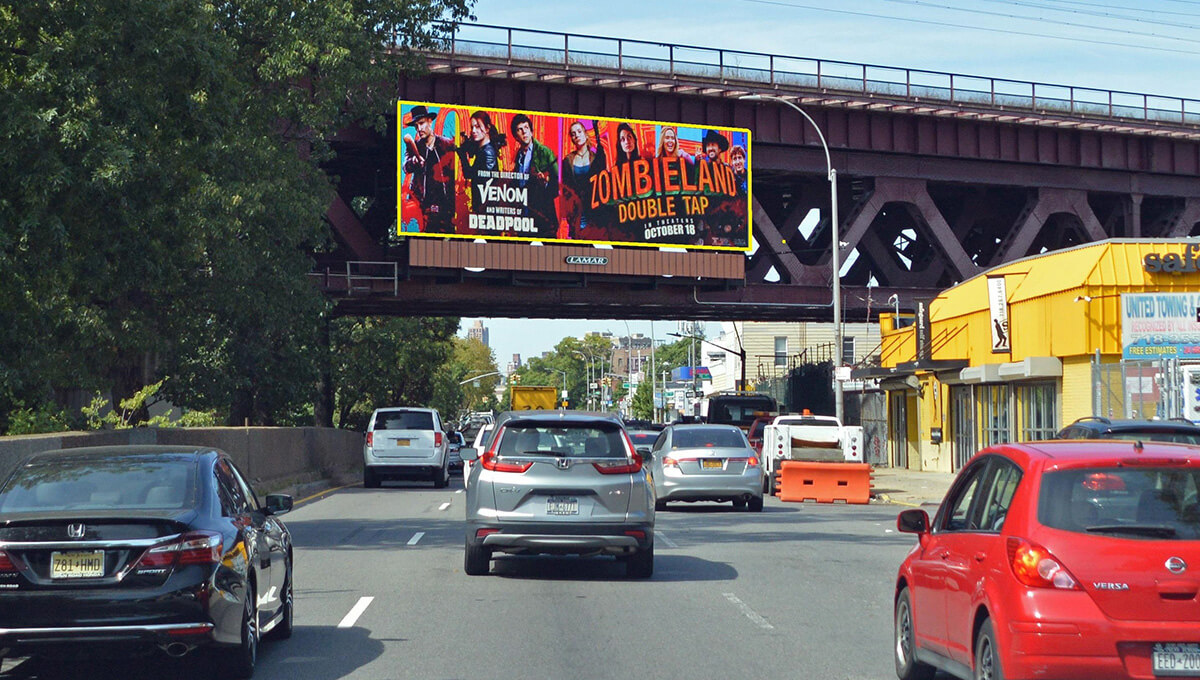
Imagine a billboard on a highway promoting hot soup — displayed at 2 a.m. in July, in 95-degree heat, to an empty road. This scenario reflects the inefficiencies of traditional out-of-home advertising: a medium dependent on reach, repetition, and a significant degree of waste. You purchased a location, negotiated a fixed rate, and hoped the right audience would drive past. That era is over.
Programmatic Digital Out-of-Home (pDOOH) has fundamentally rewritten the rules, transforming outdoor advertising from a blunt instrument into a precision performance channel. Think of it as the physical world’s display ad — an impression that can be targeted, timed, and triggered based on conditions that align with your campaign goals. Demand-driven data DOOH enables advertisers to harness real-time insights, making campaigns more effective and relevant.
Over the past six months, we tested demand-driven DOOH in a campaign for a local coffee chain. By targeting commuters during morning rush hours and adjusting ads based on real-time weather conditions, we saw a 23% increase in foot traffic to nearby stores. This approach shifted the focus from buying a specific billboard on a specific street to buying a specific audience condition. A commuter corridor during rush hour. A gym-adjacent screen when temperatures spike above 85°F. A retail display when a competitor runs out of stock nearby. The screen is almost secondary — the moment is everything.
Contextually relevant ads are 17% more effective at driving brand recall than standard OOH placements — a gap that widens significantly when real-world triggers are applied.
This is where demand-driven DOOH comes in as the catalyst. Rather than scheduling creative on a calendar, demand-driven campaigns activate based on signals: weather conditions, audience movement, inventory levels, or live event data. The ad earns its impression rather than merely occupying a slot.
Understanding how those triggers actually work at a technical level — and who’s evaluating them in real time — is exactly what we’ll unpack next.
How Programmatic DOOH Triggers Work
Being knowledgeable about how DOOH actually operates under the hood is what separates advertisers who dabble from those who drive results. The engine behind this shift is a combination of programmatic infrastructure, real-time data pipelines, and dynamic creative systems working in lockstep.
Inventory Agnosticism and the DSP’s Role
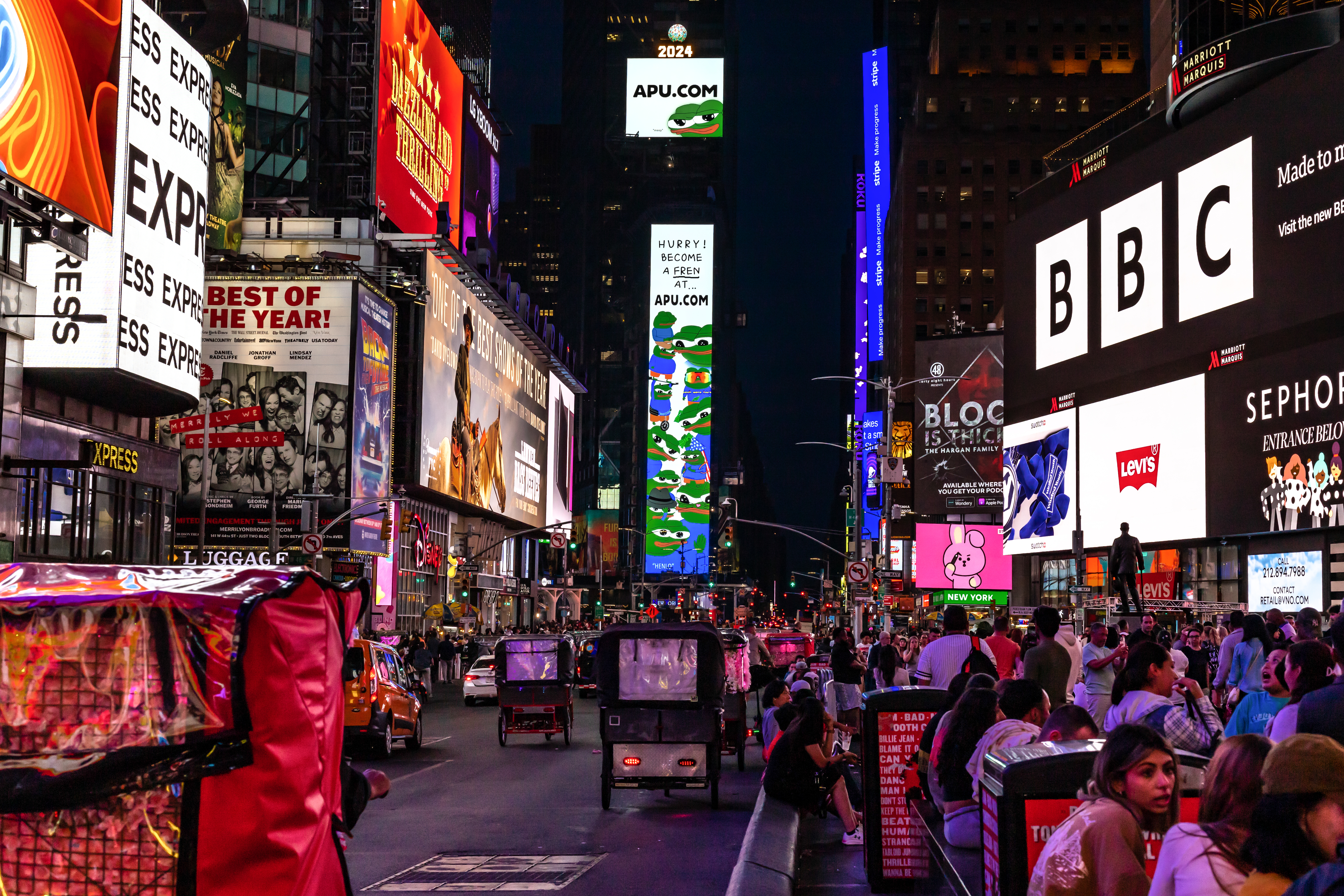
One of the most important conceptual shifts in modern programmatic DOOH triggers is moving away from screen-obsession. The specific billboard location matters far less than the conditions surrounding it at any given moment. A transit shelter in a mid-tier market can outperform a premium Times Square display — if the data trigger aligns with the right audience context.
This is where the Demand Side Platform (DSP) becomes the central decision-maker. According to industry analysts at Gartner, DSPs continuously evaluate real-time bid opportunities against a pre-defined set of trigger conditions. When those conditions are met — a threshold temperature, a spike in foot traffic, a specific audience index — the DSP activates a bid. When they’re not met, it passes. The result is a highly efficient spend model where impressions are purchased with intent, not just availability.
Think of it as an ‘On-Switch’ philosophy: the campaign only runs when demand exists in the real world. You’re not buying time on a screen — you’re buying relevance.
Dynamic Creative Optimization: The Creative Layer That Completes the Loop
Data triggers without the right creative response are only half the equation. Dynamic Creative Optimization (DCO) is what closes the loop. DCO allows the ad creative to change instantly based on data feeds without human intervention — meaning a single campaign can serve a sunscreen message at noon and a warm-layer promotion by evening, automatically.
Here’s how a trigger-activated creative stack typically functions:
- Data feed ingested → weather API, location signal, or inventory system sends a live value
- Rules engine evaluates → DSP checks if conditions match campaign parameters
- Creative template selected → DCO pulls the appropriate asset variation
- Ad served in real time → the correct message reaches the correct screen with zero manual input
This architecture makes campaigns genuinely responsive. However, it’s worth noting that DCO effectiveness depends heavily on the quality of the creative templates built upfront — poor template design limits how much the system can adapt.
Of course, the triggers themselves are only as powerful as the data sources feeding them. This raises an obvious question: what kinds of real-world signals actually move the needle? That’s exactly where this playbook goes next.
Four Data Triggers That Turn Insights into Action
Now that you understand the mechanics powering programmatic DOOH, the practical question becomes: which data signals are actually worth building campaigns around? Not all triggers are created equal. The most effective ones share a common trait — they connect a real-world condition to a genuine audience need, at exactly the right moment. Here are the four data categories driving the strongest results in Dynamic Creative Optimization in DOOH today.
Environmental & Weather Data
Weather is the most universally understood context signal, and it’s remarkably actionable. By connecting to a live weather API, campaigns can swap creatives automatically based on local temperature, precipitation, humidity, or even UV index. A beverage brand, for example, can serve iced tea ads when the thermometer crosses 85°F and switch to hot coffee messaging when temperatures dip — no manual intervention required.
The most effective creative isn’t the cleverest ad — it’s the one that mirrors what the audience is already feeling the moment they see it.
This approach eliminates wasted impressions tied to irrelevant seasonal messaging, a core inefficiency that plagued traditional static buys.
Example scenario: A sunscreen brand sets a trigger to activate only when UV index exceeds 7 and daytime temperature is above 78°F — automatically pausing spend on overcast, low-risk days.
Mobile Location & Footfall Intelligence
This is where audience precision gets granular. Using anonymized mobile SDK data, platforms can detect when a high concentration of a specific audience persona is present near a given screen — in real time. Rather than buying a screen hoping the right demographic walks by, the ad only serves when that demographic is actually detected nearby.
Retailers, for instance, can trigger ads exclusively when a measurable density of their “Frequent Shopper” persona is identified in the surrounding area, according to mobile location data research. This turns a passive placement into an active targeting decision.
Example scenario: A fitness apparel brand activates screens near a stadium only during windows when “active lifestyle” personas exceed a defined concentration threshold — skipping times dominated by irrelevant foot traffic.
Live Transit & Public Data
Transit data transforms DOOH into a problem-solving medium. When audiences are delayed, stressed, or waiting, they’re uniquely receptive to messaging that addresses their immediate situation. A ride-share app, for example, can increase ad frequency near airport exits specifically when flight arrivals peak or public transit experiences delays — positioning the service as the obvious, immediate solution.
Traffic congestion data works similarly, allowing fuel, food delivery, or audio streaming brands to activate near gridlocked corridors when captive audiences have time to actually absorb a message.
Example scenario: A food delivery app triggers highway digital boards during real-time traffic incidents, promoting 30-minute delivery to drivers who aren’t going anywhere fast.
First-Party Inventory Data
This trigger is frequently overlooked — and arguably the most critical for direct-to-consumer and retail brands. By connecting a brand’s own inventory management system to the ad server, campaigns can automatically suppress creatives for out-of-stock products and amplify spend behind high-margin items with strong availability.
Promoting a sold-out SKU isn’t just wasted budget — it actively damages consumer trust. DOOH omnichannel strategies increasingly emphasize closing the loop between supply chain data and media activation.
Example scenario: A consumer electronics retailer pauses ads for a specific laptop model the moment regional inventory drops below a set threshold, automatically redirecting budget to a well-stocked alternative.
Each of these triggers requires one foundational capability to function correctly: a clean, reliable API connection between your data source and your demand-side platform. That technical handshake — and how to build it — is where we’re headed next.
The Technical Gap: Integrating APIs with Your DSP
Knowing which data triggers to use is only half the equation. The part most campaign guides skip over is the practical plumbing — how external data sources actually connect to your demand-side platform (DSP) to deliver real-time DOOH insights at scale. API integration between weather, traffic, or event data feeds and your DSP is the primary driver of automated contextual relevance, and getting it right is what separates a truly dynamic campaign from one that just looks dynamic on paper.
How the API Handshake Works
At its core, the process is straightforward: an external data provider (a weather service, a traffic API, a sports data feed) sends structured data to your DSP at regular intervals. The DSP reads that data, checks it against pre-set conditions, and then instructs the relevant supply-side platform (SSP) to serve the corresponding creative. No human needs to touch it. The trigger fires, the creative swaps, the impression lands.
Here’s a simplified view of how a single trigger sequence is built:
- Connect the data source. Work with your DSP’s integrations team to authenticate and map your chosen API feed — for example, a weather provider — to a campaign parameter field.
- Define your If/Then logic. Set the conditional rules: If temperature exceeds 85°F and location is within a defined geographic radius, then serve Creative Version B (the cold-beverage ad). Specificity here reduces wasted impressions.
- Upload versioned creative assets. Every conditional branch needs a corresponding asset ready to serve. Build your creative matrix before launch — not after.
Pro-Tip: Overcommunicate your trigger logic to your creative team before production begins. A campaign with five weather conditions needs five distinct, pre-approved assets. Discovering this after a single static ad has been produced is one of the most common — and costly — campaign delays in DOOH execution.
Overcoming the Static Mindset
The biggest barrier to dynamic DOOH isn’t technical — it’s creative. In practice, many production teams default to designing one “hero” asset and treating everything else as an afterthought. Creative versioning demands a genuine shift: every variant should be intentional, not just a color-swap. Think of your asset library as a decision tree. Each branch needs a message that genuinely responds to the triggering condition.
Once your technical integration and creative matrix are in place, the natural next challenge becomes one of accountability: how do you know any of it actually worked? That question — measuring what happens after the trigger fires — is exactly what the next section tackles.
Measuring the Unmeasurable: ROI and Full-Funnel Attribution
For years, outdoor advertising carried a reputation for being impossible to measure precisely. You bought a billboard, hoped the right people saw it, and estimated impact through brand surveys run months later. pDOOH attribution has fundamentally changed that equation — and the measurement toolkit available today would surprise even seasoned digital advertisers.
Beyond CPM: Metrics That Reflect Real Impact
Cost-per-thousand impressions (CPM) is still a useful baseline, but it doesn’t tell the whole story for DOOH. Two additional metrics deserve equal weight:
- Dwell time: How long audiences remain within view of a screen. A commuter waiting on a subway platform for four minutes represents a far more valuable impression than someone driving past a highway billboard at 65 mph.
- Impression multipliers: DOOH screens are inherently one-to-many. A single ad play on a high-traffic display can reach dozens of simultaneous viewers, meaning raw play counts significantly undercount actual audience size.
Footfall and Online Conversion Attribution
The most compelling development in DOOH measurement is footfall attribution. By bridging DOOH exposure data with mobile device IDs, analysts can identify users who were exposed to an ad and later visited a physical store — creating a measurable link between screen and foot traffic. This same methodology extends online: tracking website visits or app downloads from exposed audiences closes the loop between an outdoor impression and a digital conversion.
| Metric | What It Measures | Why It Matters |
|---|---|---|
| Dwell Time | Audience engagement duration | Indicates quality of exposure |
| Footfall Attribution | In-store visits post-exposure | Connects DOOH to offline revenue |
| Online Conversion Rate | Web/app activity post-exposure | Links outdoor ads to digital outcomes |
| Brand Lift | Favorability delta in exposed groups | Quantifies perception change |
Brand Lift: The Awareness Layer
Demand-driven DOOH doesn’t just move people — it moves minds. Research from the OAAA confirms that DOOH surpasses other media in driving favorability and consumer action. Brand lift studies measure the delta in awareness or purchase intent between exposed and unexposed audience segments — isolating DOOH’s contribution within a broader media mix.
Together, these measurement layers transform DOOH from a reach play into a fully accountable performance channel — setting the stage for building a scalable, data-driven roadmap.
Conclusion: Building Your Demand-Driven Roadmap
The throughline across every section of this playbook is straightforward: demand-driven DOOH removes the guesswork from outdoor media. When you know why someone is likely to buy — because it’s raining, because a competitor just ran out of stock, because game-day traffic is building nearby — you stop broadcasting and start communicating. That shift is the core promise of contextual DOOH advertising.
The competitive advantage isn’t just efficiency. It’s relevance at scale. Brands that activate the right message at the right moment build stronger recall and drive measurable downstream action that static schedules simply can’t replicate.
Next Steps to Get Started:
- Start with one trigger. Weather-activated campaigns are the fastest on-ramp — low complexity, immediate signal clarity, and proven lift data.
- Connect your attribution layer first. Before scaling to multi-trigger campaigns, ensure your measurement framework can isolate each variable.
- Expand systematically. Layer in audience-behavior and competitive triggers once your baseline is established.
The brands winning in outdoor aren’t spending more — they’re spending smarter. Build your first trigger-based campaign, measure honestly, and let the results justify the next layer of complexity.
Last updated: May 4, 2026